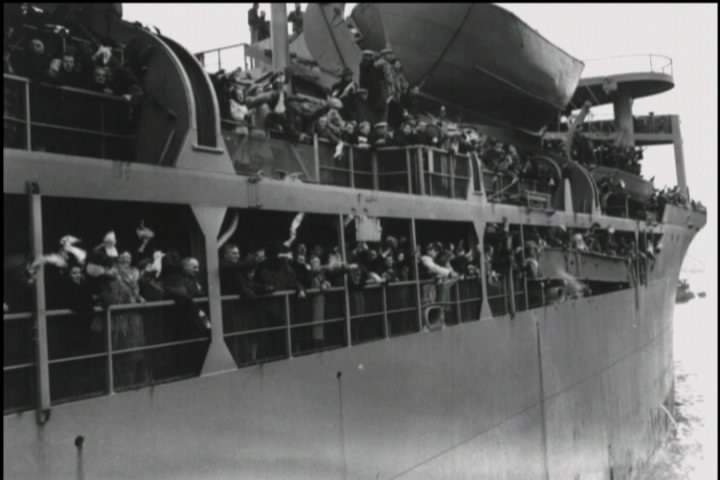
Shanghai Ghetto
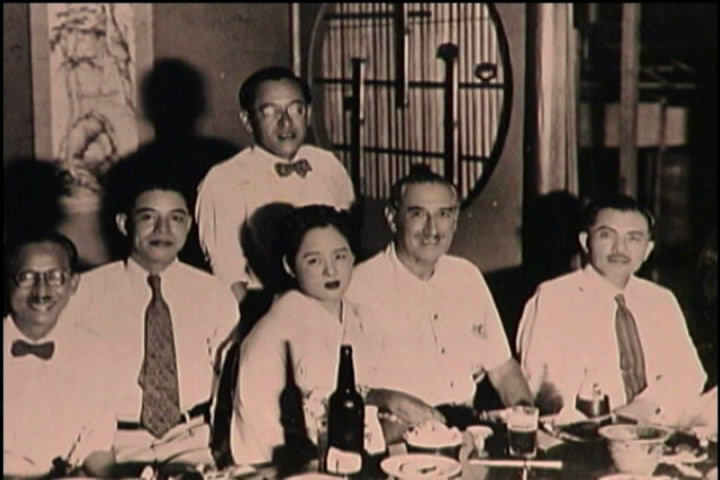
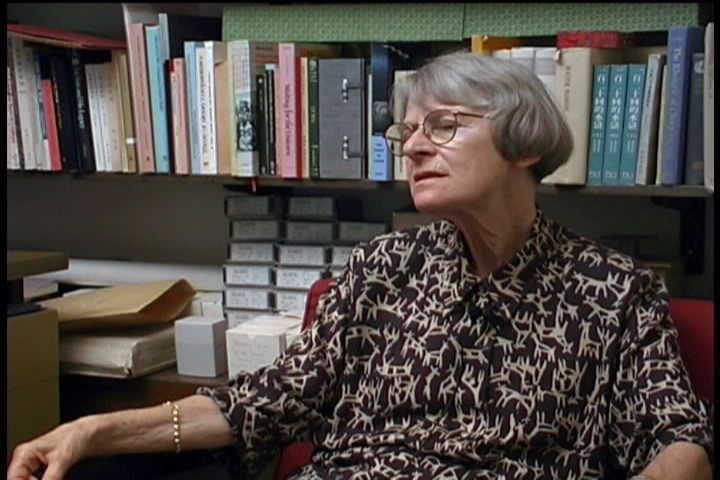
The documentary starts out by talking to a lot of Jews that had lived in Germany before the purge. This man points out that the Jews took they position that they had contributed a lot to German culture, but the Germans took the position that the Jews “took over” their science, newspapers, etc.
 |
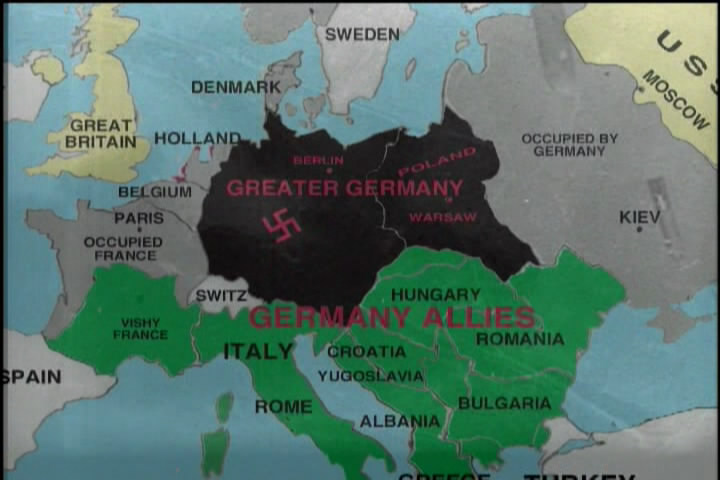
1933, the Nazi party rises to power in Germany.
 |
They signs began to appear in Germany about “no Jews” in various shops. Also, incidents of violence against Jews increased.
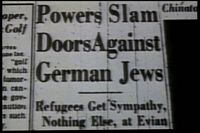 |
A 1938 conference tried to find places for the Jews to emigrate to, but the headline says it all. The conference gave Hitler evidence that the world, in general, did not care about the Jews.
 |
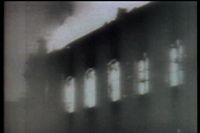 |
“The night of the shattered glass” when 91 Jews died, synagogues were destroyed, and violence was widespread, with the police being told not to interfere.
 |
The American consulate in Germany closed its doors, not accepting any Jews as refugees.
 |
The film talks about how the Jews were “encouraged” to resettle elsewhere.
 |
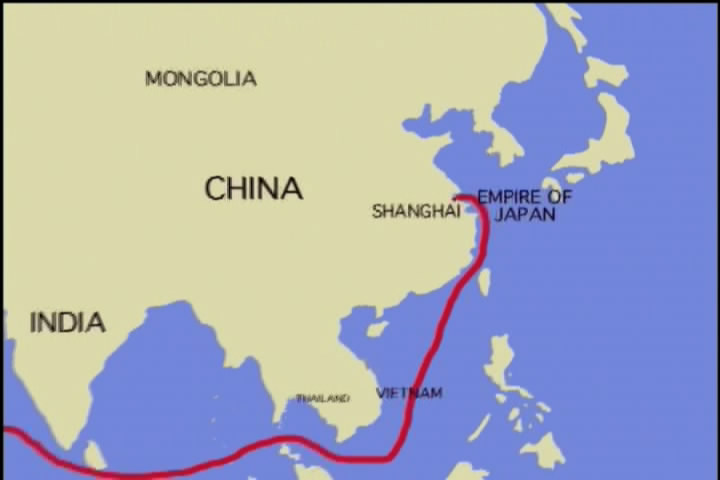
8000 miles away was a place that would accept the Jews.
 |
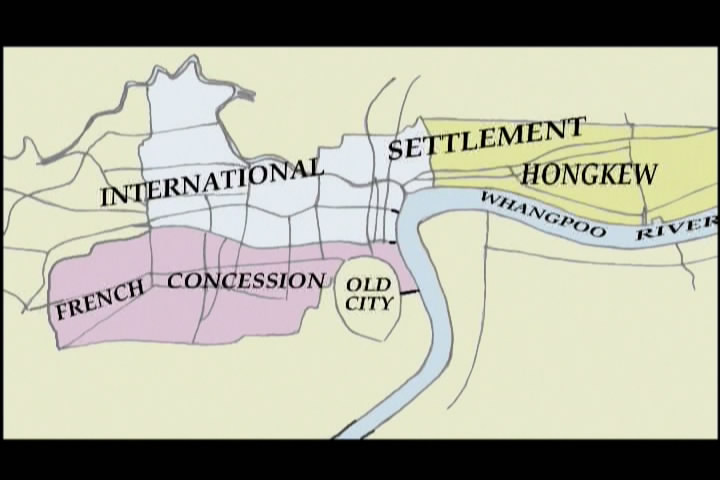
Within Shanghai, the Western powers created their own areas of control.
 |
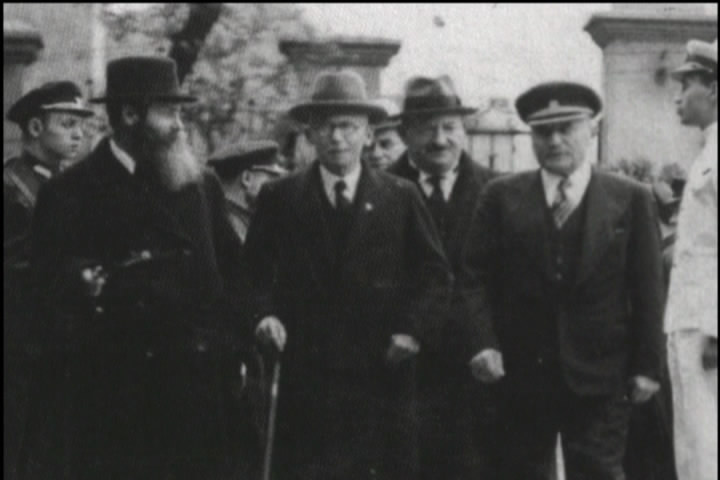
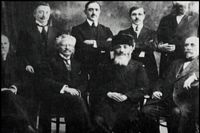
There were two Jewish groups in Shanghai, the first coming in the late 19th century from England.
 |
The second community consisted of Russian Jews.
 |
1937, the Japanese attack China.
 |
A map showing what Japan had conquered at one point.
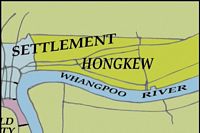 |
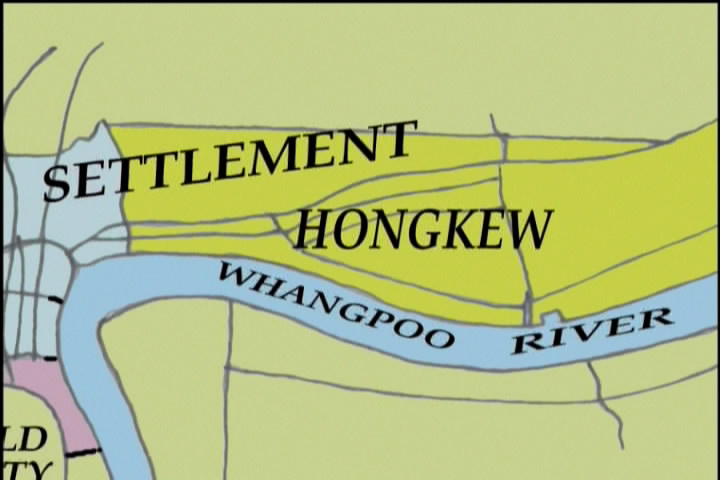
A very poor section of Shanghai. It became home for Jews, poor Chinese, and occupying Japanese.
 |
The one group of early influx Jews helped the refugees by setting up soup kitchens and places for them to stay. Over 10,000 Jewish refugees needed help.
 |
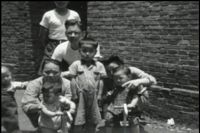
Some Jewish groups considered themselves intellectuals and thought they should be taken care of separately from the other Jewish refugees. Then the video goes into describing how the refugees tried to find jobs in Shanghai.
 |
The Chinese were even poorer than the refugees and had a “benign tolerance” for them. They were also, though, under direct oppression by the Japanese.
 |
The Chinese hatred for the Japanese, and the massacre at Nanjing is discussed.
 |
Another person interviewed talks about how the Japanese did not try to stop the Jewish refugee ships even though they controlled the harbors. They were afraid of American Jews and world Jewry since they held to the stereotype view of Jews as being rich and having control of world governments.
 |
The war starts in Europe.
 |
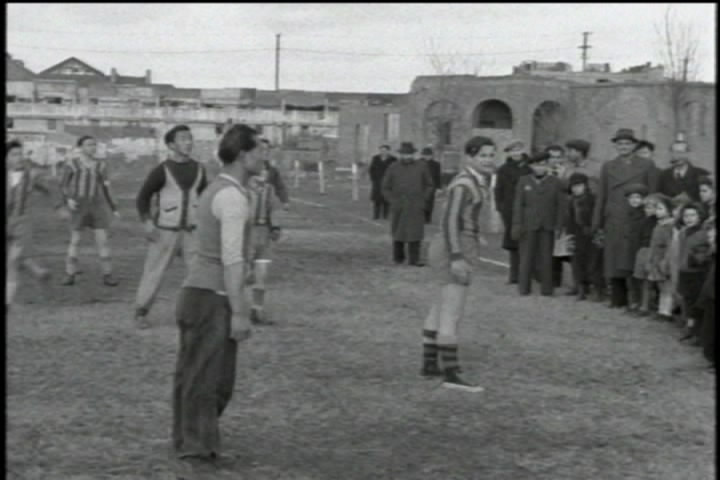
The Jewish refugees in Shanghai established their own newspapers, sports clubs, schools, and many other things to re-establish their cultural lives.
 |
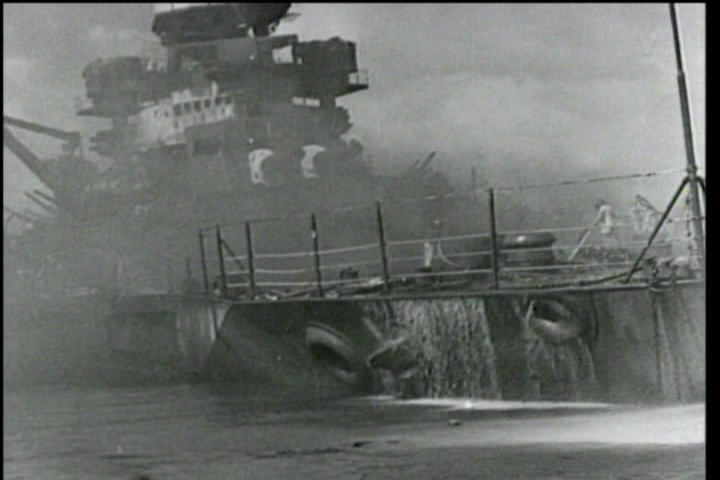
Dec. 7th, 1941, the Japanese attack Pearl Harbor.
 |
The Japanese took over the international settlement area. The Japanese imprisoned American and British people living there in internment camps. This group included the Jewish group that had come over first and had been helping the refugees so much. Since all communication with America was cut, so was the flow of money from American for the soup kitchens and other aids.
During the war years there was a shortage of food. The Russian Jewish group tried to help the refugees.
The Jews were moved into a ghetto area, but it was like Manchuria, where it was not walled in and a puppet ruler was established.
American B-29s bombed the city, killing 31 Jews and hundreds of Chinese. They were aiming for a Japanese radio station. The survivors said the Japanese were very helpful after the bombing and made sure the ghetto hospital had the supplies it needed.
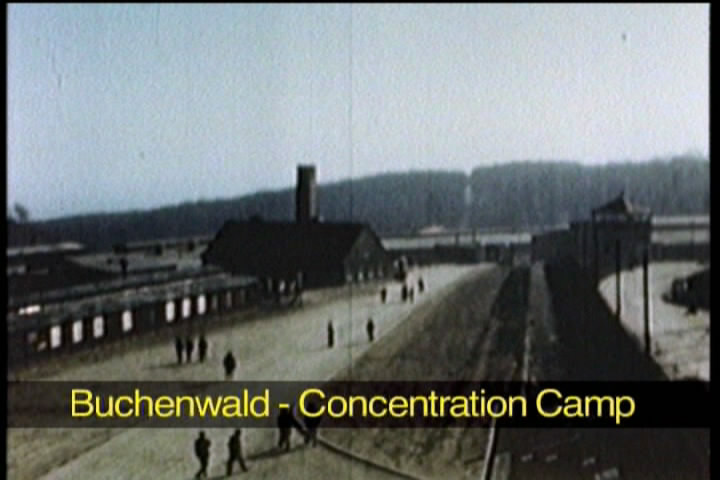
The film talks about the end of the war and how the Jewish refugees found about the truth about what happened to the Jews in Germany. Note: there are some scenes from the concentration camps in this portion of the film which are extremely gruesome.
After the American liberation,conditions improved, and the Jewish refugees began to leave Shanghai for other places in the world.
There are some extras, interviews with other people, a theatrical trailer, and an audio commentary.
Main Index
Internment Camp Index Page
Japan main page
|
|