Closing the Jaws
 |
 |
MacArthur is attacking from the southwest, and Nimitz from the east, putting the Japanese forces in a pincher movement.
 |
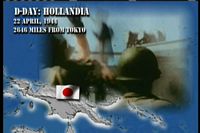
New Guinea is attacked.
 |
The Hollandia airfield on New Guinea is attacked over two weeks before D day for New Guinea.
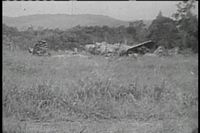 |
This was to destroy the Japanese airplanes on the ground before they could be any kind of threat on D day.
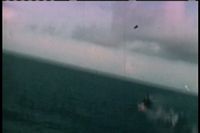 |
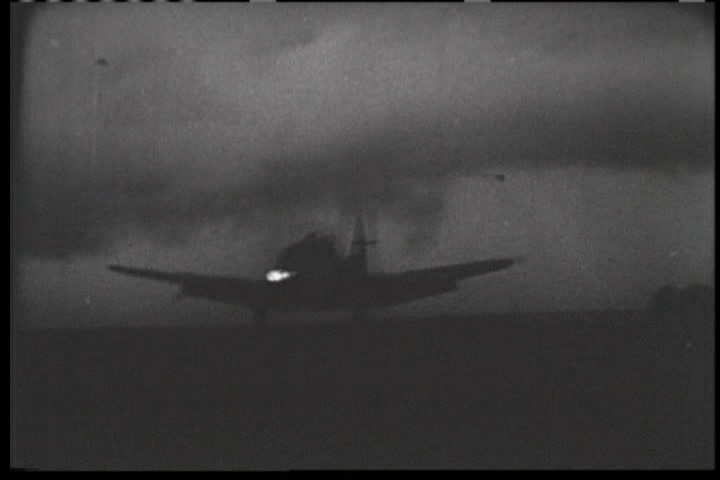
Starting on D -3, US carrier planes attacked what Japanese planes were left.
 |
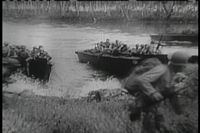 |
The video says the Army did more amphibious assaults than did the Marines.
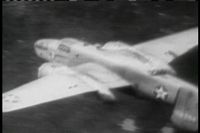 |
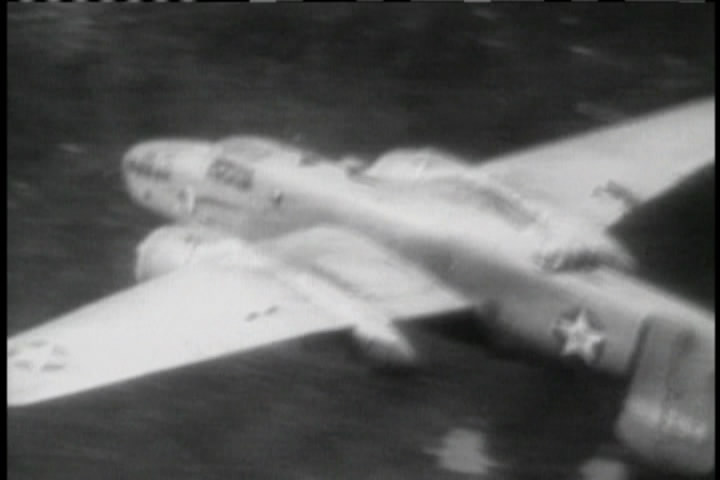
Bombers would fly incredibly close to the water and drop a bomb which would skip like a stone into the side of a Japanese ship.
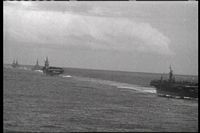 |
The aerial superiority of the US was a major help in the Pacific theater D-day operations.
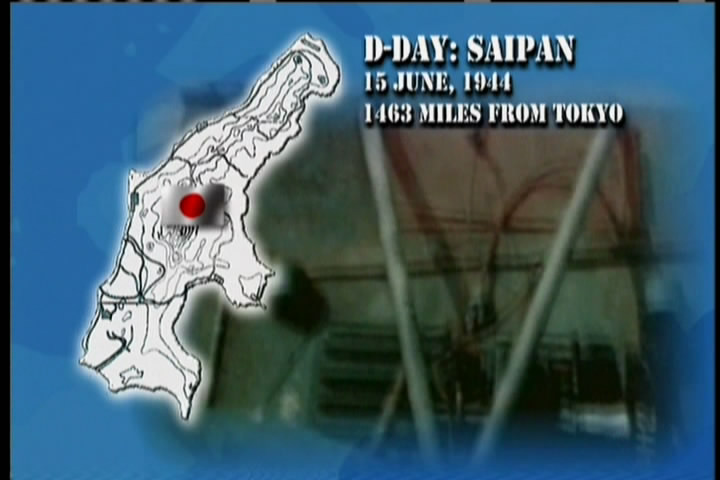
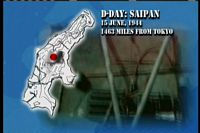
The Americans thought there were 10,000 Japanese on Saipan, but there were actually around 30,000.
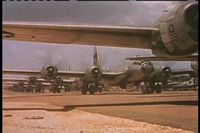 |
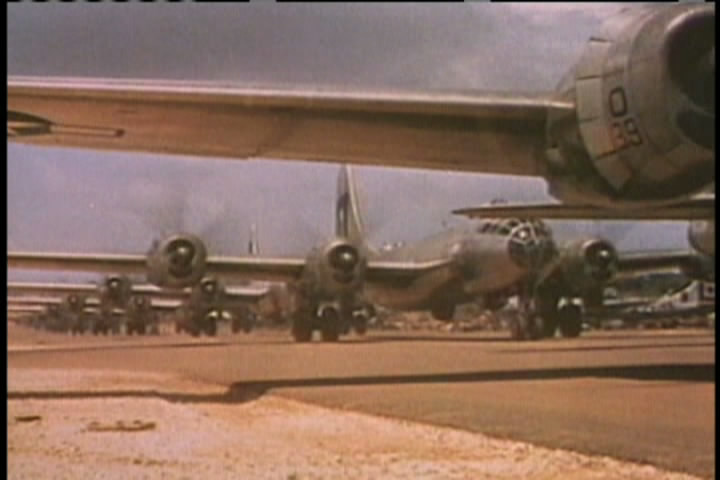
If the US could take the islands, then they could use them to launch B-29 raids on Japan itself.
 |
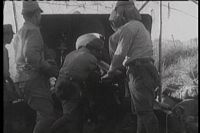 |
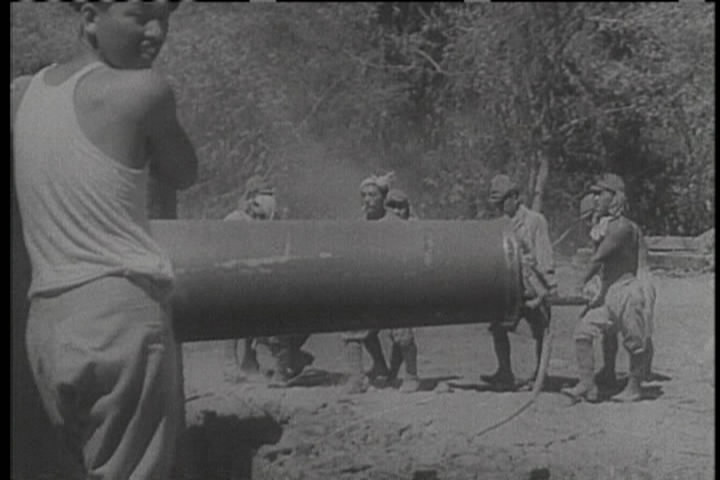
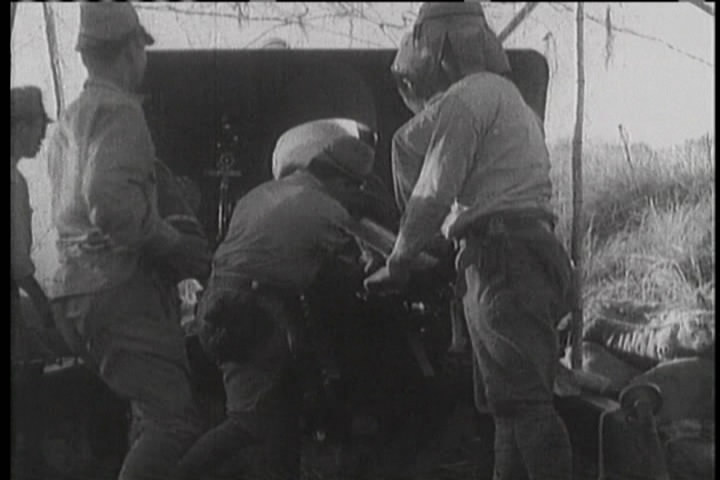
The Japanese blasted the beaches with their artillery.
 |
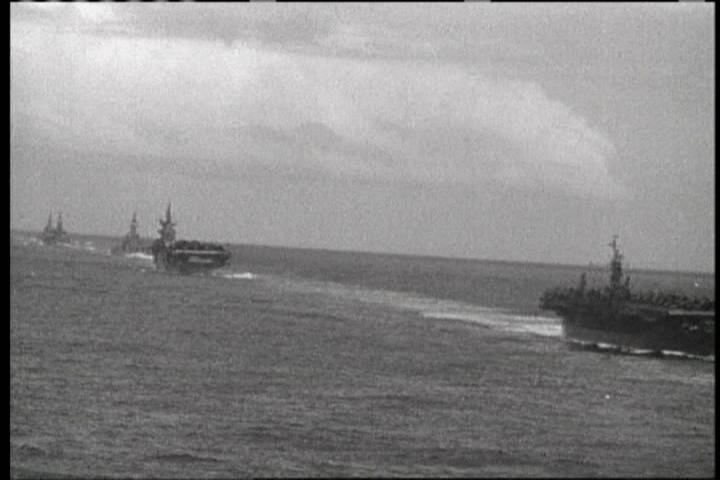
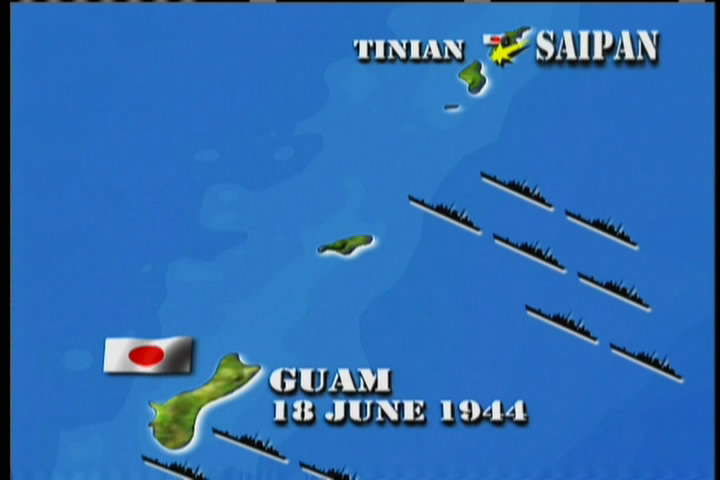
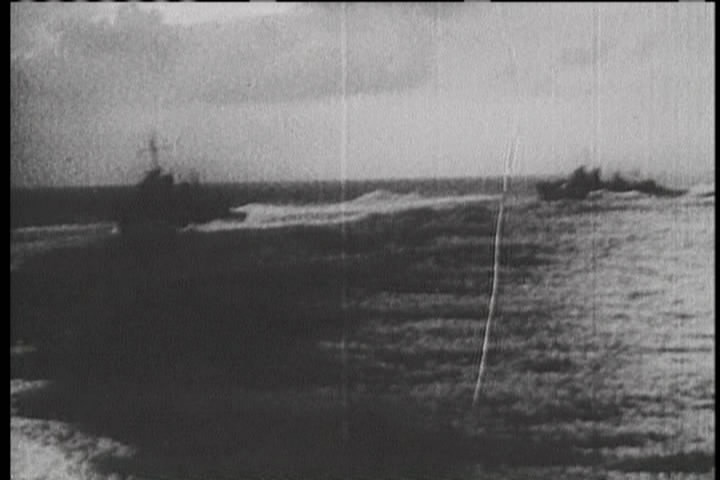
Meanwhile, a Japanese fleet was coming straight towards the islands. There were 8 carriers, 5 battleships and 450 planes in the fleet.
 |
The Americans destroyed the Japanese planes on Guam, which they had planned to use to attack the American fleet at Saipan.
This became what is known as the Great Marianas Turkey Shoot, where the Japanese aerial forces were decimated by the Americans. For the rest of the war, the Japanese would no longer have an effective aerial component to their fleet. 366 of the 545 Japanese planes involved in the battle were shot down. 19 more were shot down by US ships. That works out to be a little over 2/3rds of the Japanese planes were destroyed.
The US lost 26 planes in the battle.
 |
The Japanese fleet withdraws but is found. US planes decide to attack, even though they know that they might not have enough fuel to make it back to the carriers. 216 planes were involved in the attack.
 |
22 more Japanese planes were destroyed, along with a carrier and two oilers, and other ships were heavily damaged. The US lost 20 planes at the battle, and another hundred when they ran out of fuel on the way back. 38 men are lost at sea, while the rest are rescued.
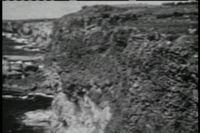 |
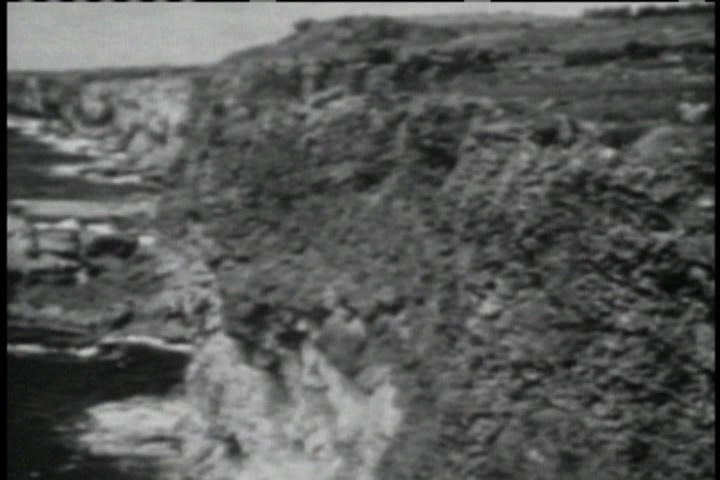
The fighting on Saipan is vicious, but the Japanese are driven back to some cliffs. Along with them are civilians. Many of the civilians jumped (or were pushed) off the cliffs, while the soldiers killed themselves, often with grenades.
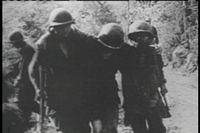 |
3,000 Americans died, and around 23,000 Japanese died.
 |
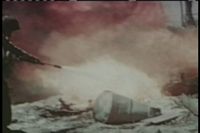 |
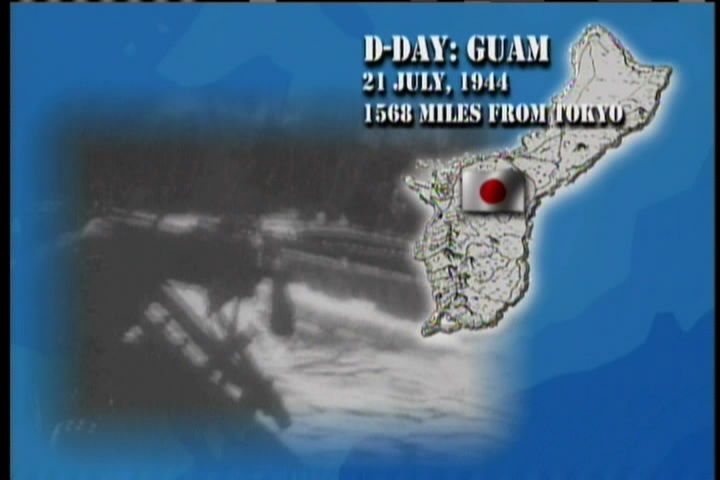
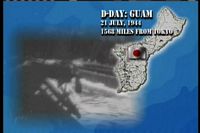
It took 20 days to declare Guam secure. The Japanese used more banzai charges, rather than digging in like at other places. Over 2000 Americans died, and around 18, 500 Japanese died.
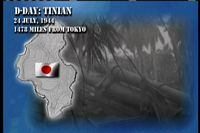 |
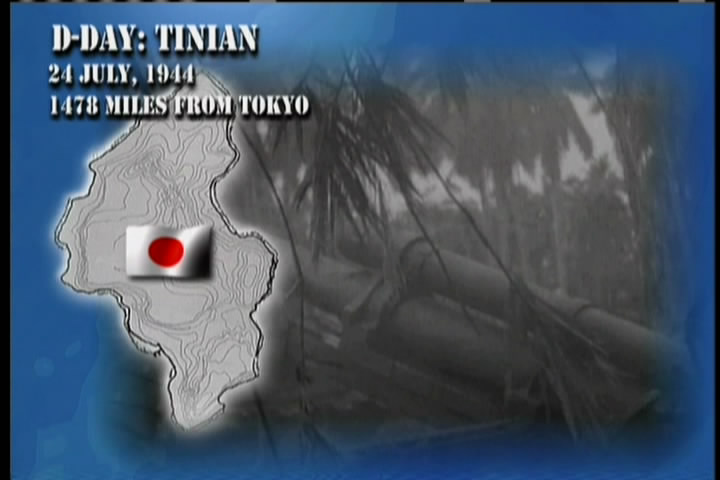
Tinian was scheduled for invasion next, and would become the island that the B-29s would launch from.
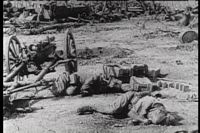 |
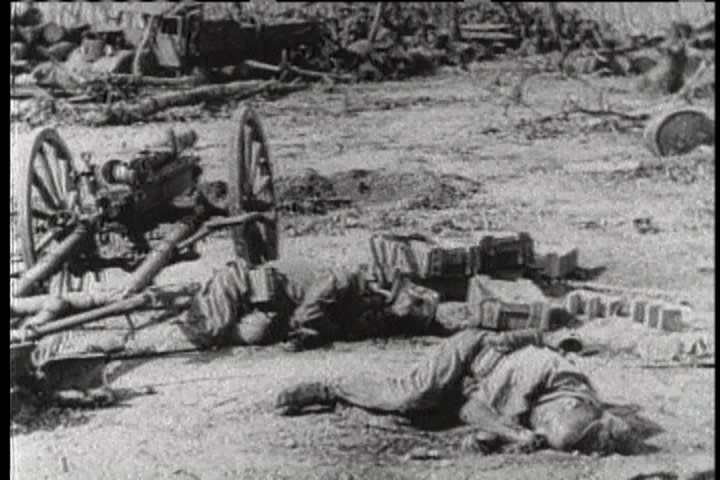
There were 8000 Japanese on the islands. They used more banzai charges, which basically just throws away lives. 399 Americans died, and around 5,500 Japanese died.
Once an island was captured, naval construction troops could build air bases.
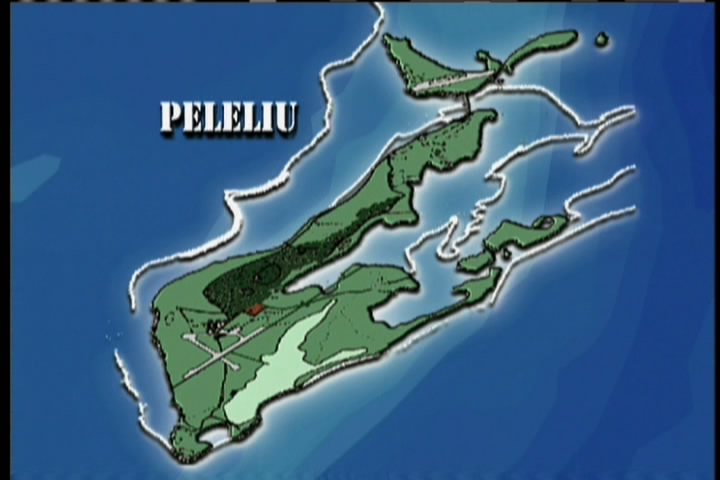
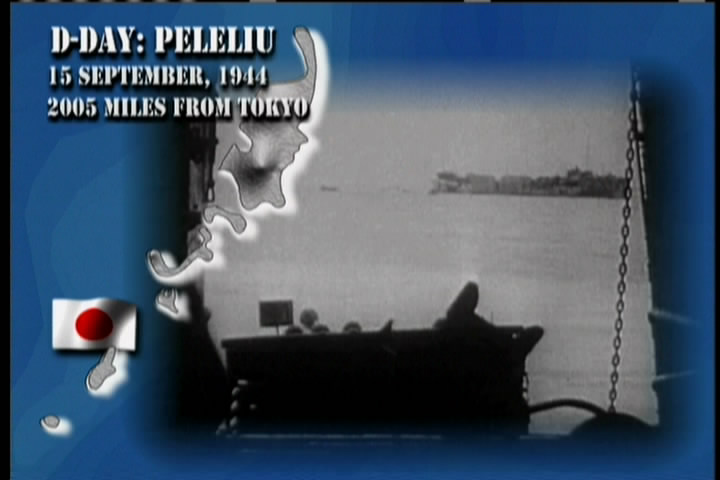
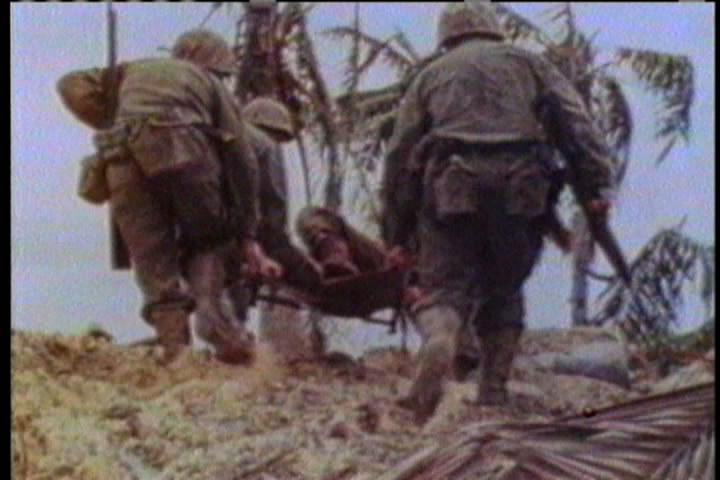
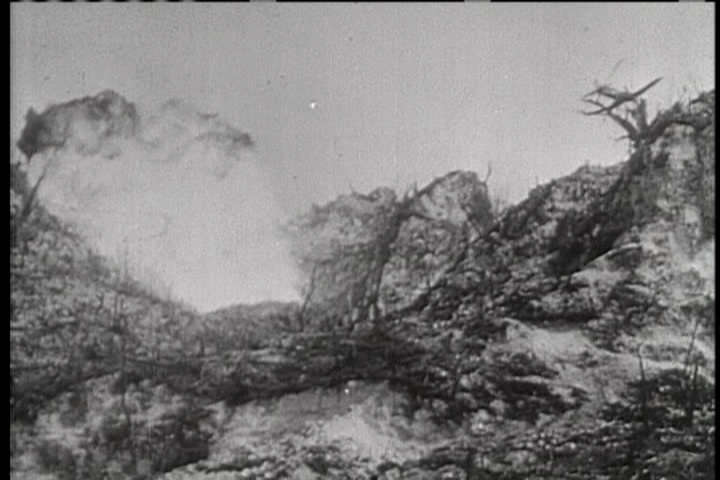
A very controversial battle of the war. Various writers say this particular battle was never really necessary. This was a very messed up battle with a lot of bad decisions and bad leadership on the US part.
The Japanese immediately launch a counter-attack, but their forces are mauled by the US forces. The Japanese lost 500 men in the attack.
The temperature was around 115 degrees. Despite the fierceness of the Japanese defense, the US leaders order their men to move straight ahead, which was a major mistake.
Once the runway was ready, Corsairs were landed and used to attack the Japanese. This allowed the carriers to leave the area.
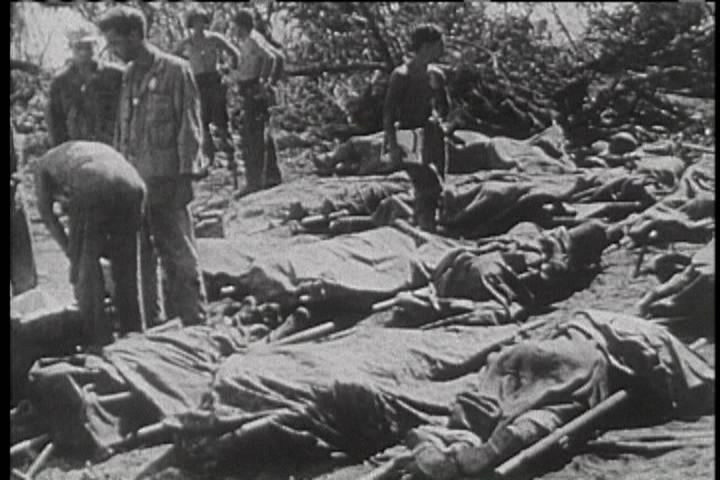
One of the US leaders said, before the battle, that the island would be taken in two or three days. It took over seventy days. There were 1535 Americans killed in the battle. 14,000 Japanese were killed.
Main Index
Japan main page
Japanese-American Internment Camps index page
Japan and World War II index page
|
|