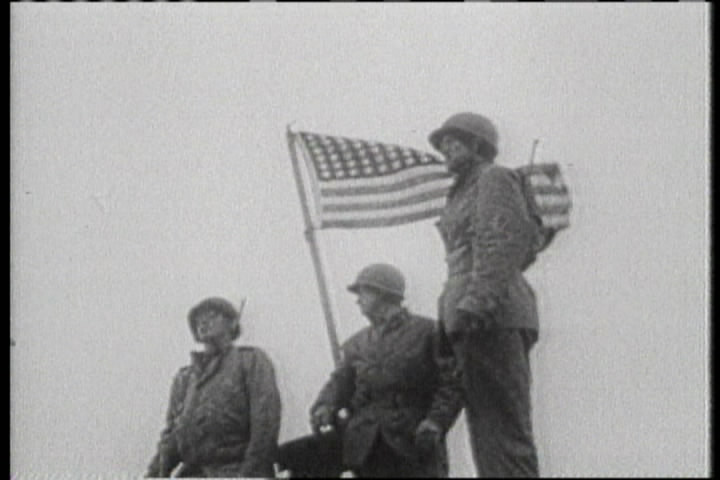
Death at the Tideline
 |
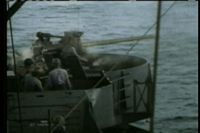 |
The video says 1,600,000 men (counting both sides) died in the Pacific theater.
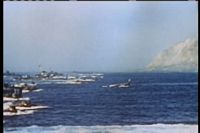 |
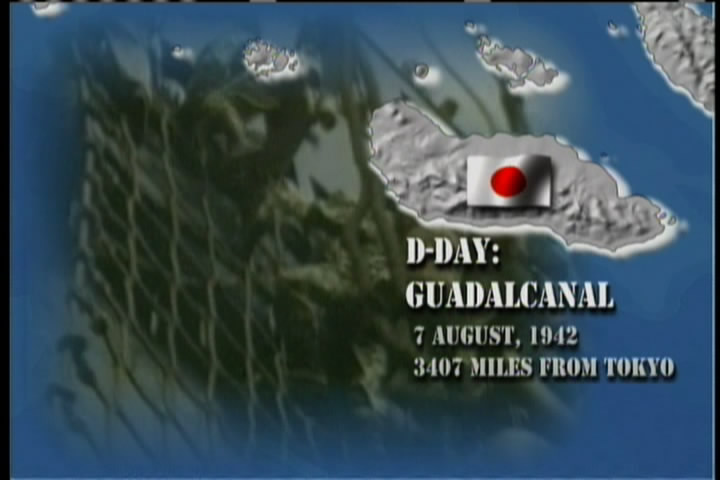
The film explains that “D-Day” is a term used in planning for an operation whose date is not yet known. Then there are the days after the invasion, such as D +1, D +2, and so on, which eliminates the need to strictly adhere to a calendar.
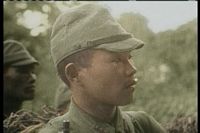 |
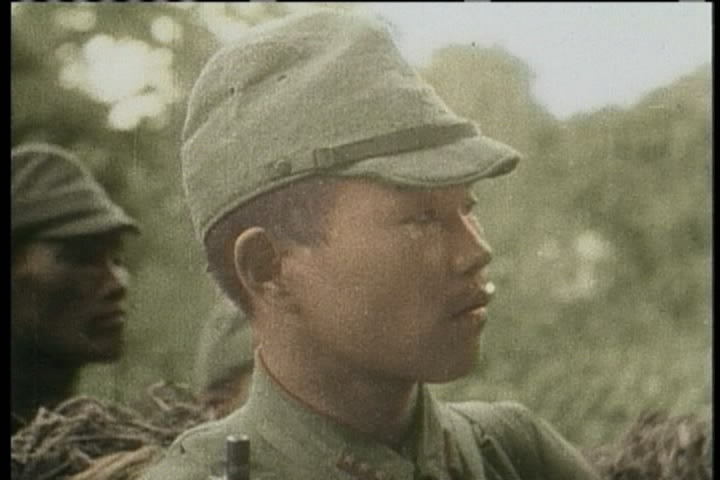
One of the people interviewed says the spirit of the Japanese warrior was a difference between the European and Pacific theaters. The Emperor expected them to fight to the death and not surrender, which made the battles that took place even nastier than those in Europe.
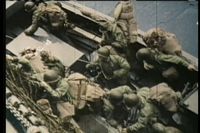 |
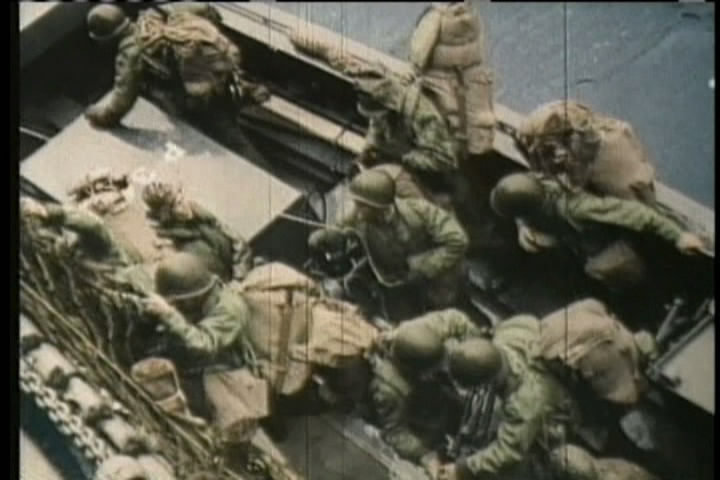
The same person said that amphibious operations are very difficult even when the men are not being shot at.
 |
Another one of the men interviewed. His group had been told to expect 85% casualties among the infantry during their amphibious operation.
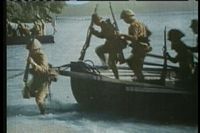 |
The Japanese were the best at amphibious conquest through part of 1942.
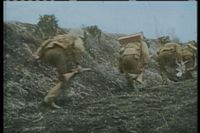 |
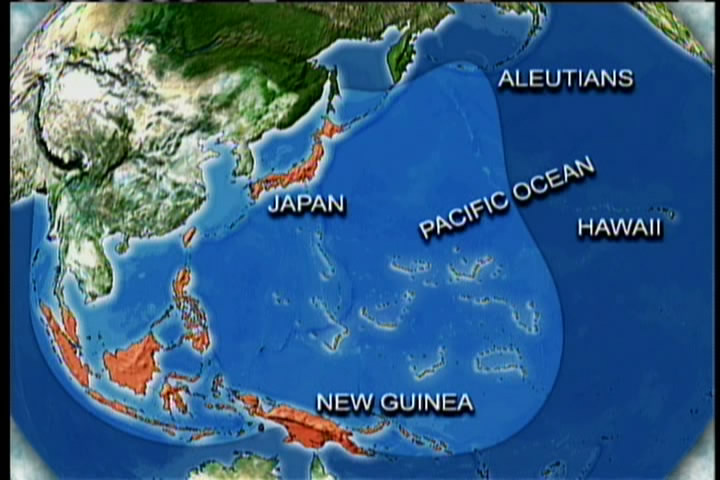
The film reviews the early Japanese victories in the war.
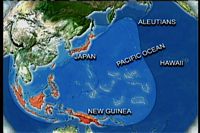 |
The extent of Japanese control of the Pacific.
 |
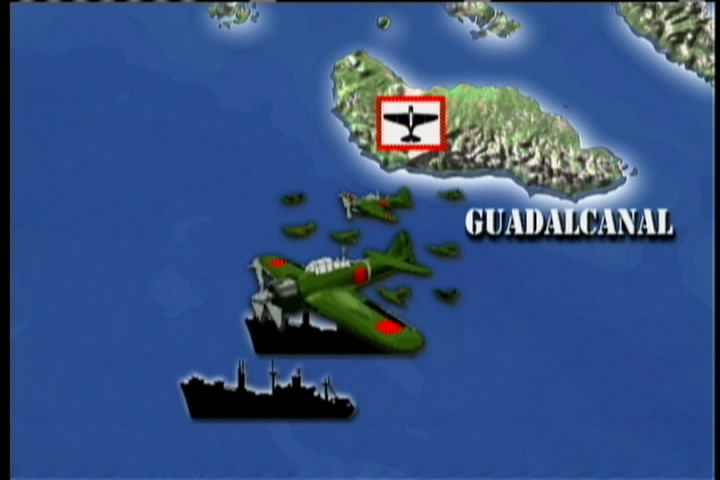
Guadalcanal is attacked in order to stop the Japanese from developing air ability to cut off supplies being shipped to Australia.
 |
The film talks about how the invasion force was not really ready for the effort to retake Guadalcanal from the Japanese.
 |
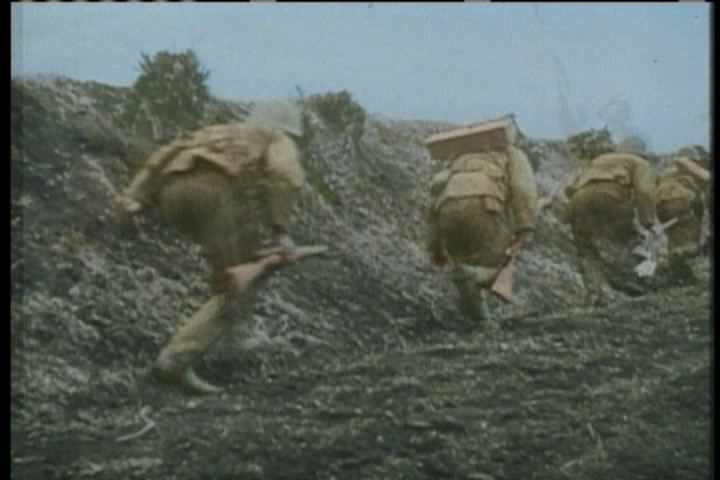
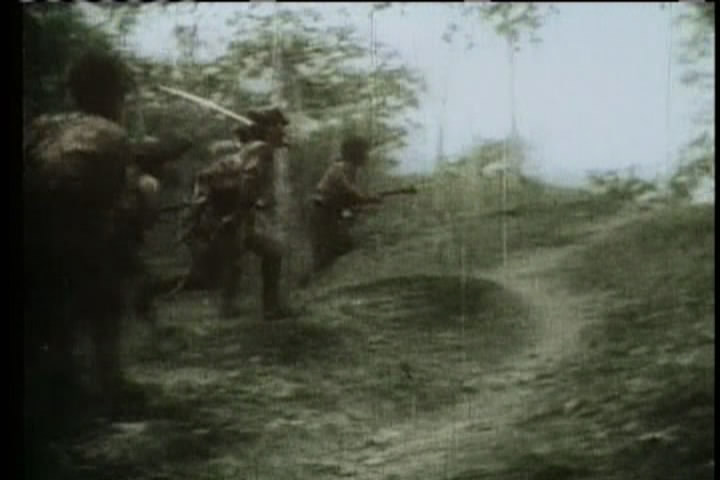
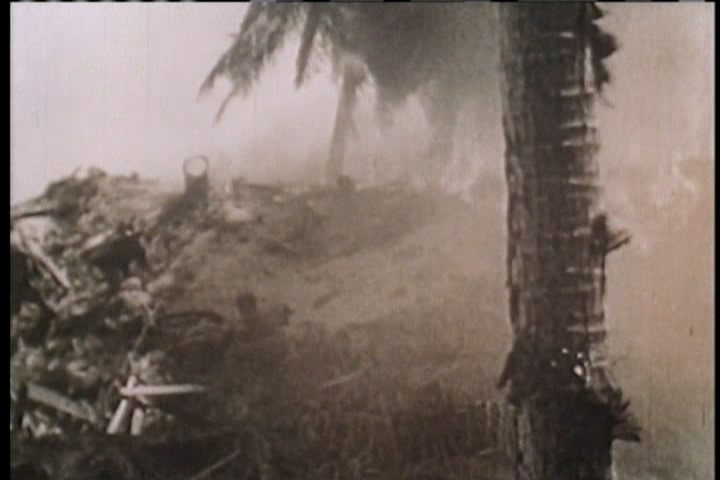
This, to me, looks like one of the Banzai charges. Anyhow, by D Day +2, the Japanese were offering strong resistance.
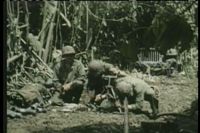 |
The Americans clung to Henderson field while the Japanese tried everything they could do to stop the American advance.
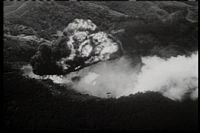 |
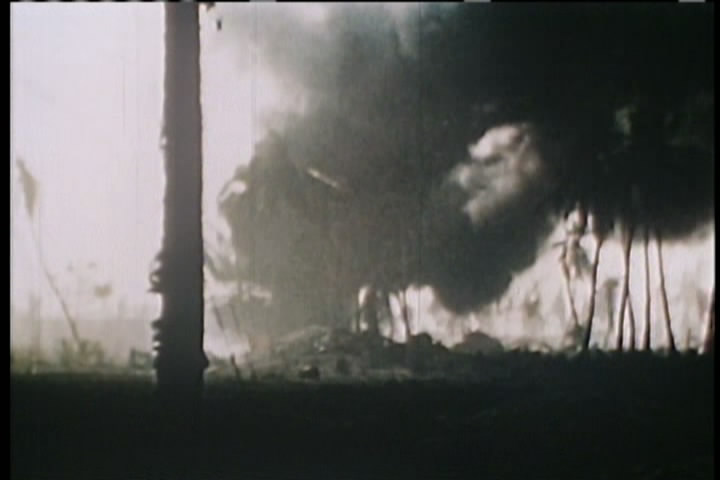
P-38s attack the next morning and decimate the Japanese lines.
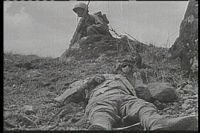 |
800 Japanese soldiers died during the attack.
 |
It took 180 days or so before the Japanese supply lines were cut and the Japanese troops were on the verge of starvation. The Japanese lost some 24,000 men before they evacuated their remaining troops.
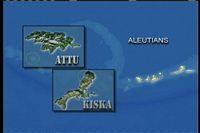 |
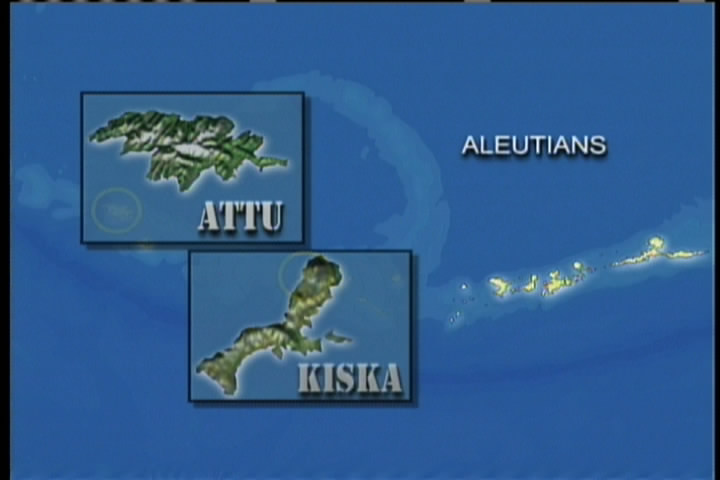
Another D Day, this time in order to retake two Aleutian islands that the Japanese had taken.
 |
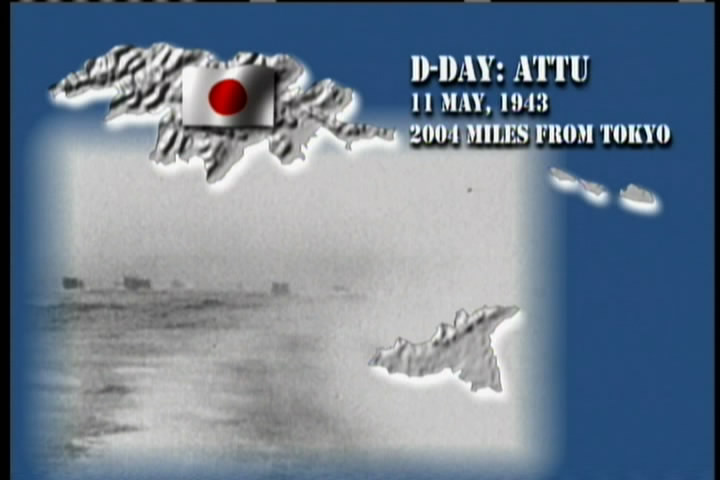
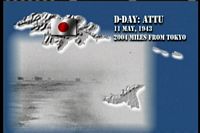
The planned landings on Attu. Once Attu was taken, the idea was to use bombers to strike at Kiska and attack that later.
 |
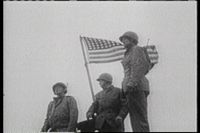
D +18, the Japanese use another banzai-type charge. In the end some 2300 Japanese were killed before the island was retaken.
 |
The attack on Kiska used a lot more men and equipment, but it turned out the Japanese had evacuated the island after a three-month US bombardment.
 |
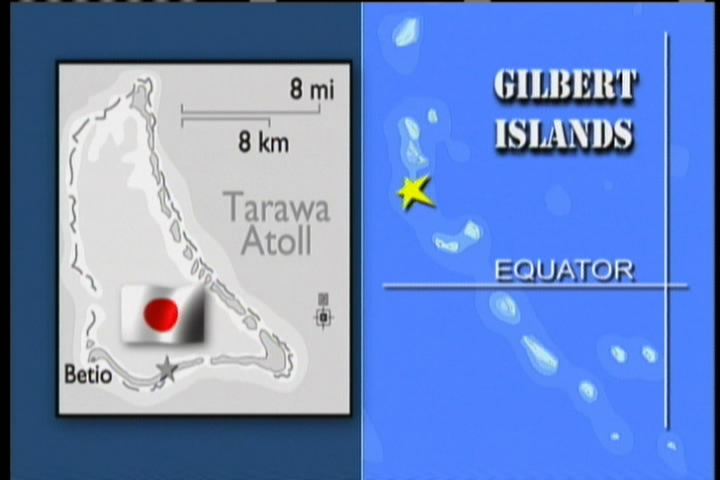
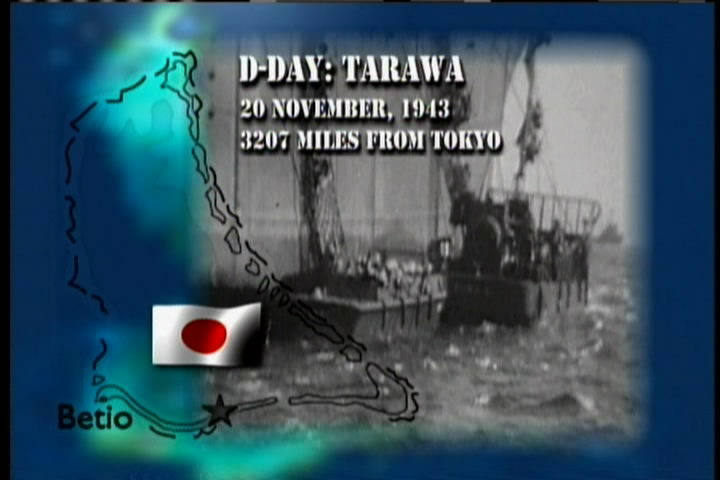
Another island to be attacked.
 |
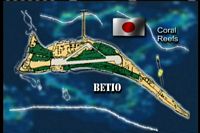 |
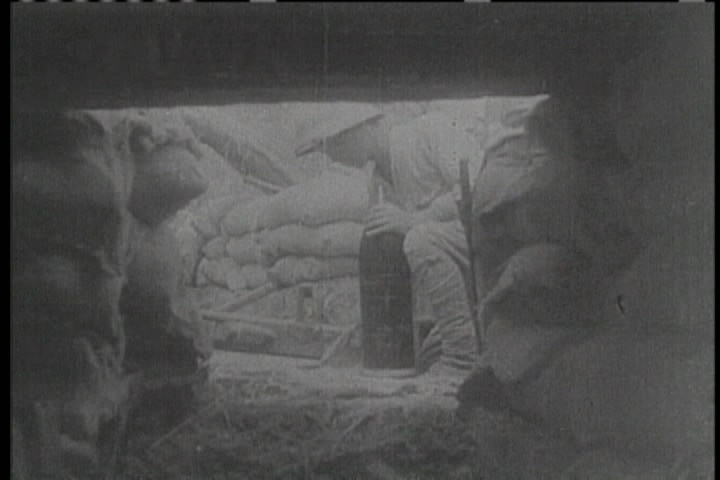
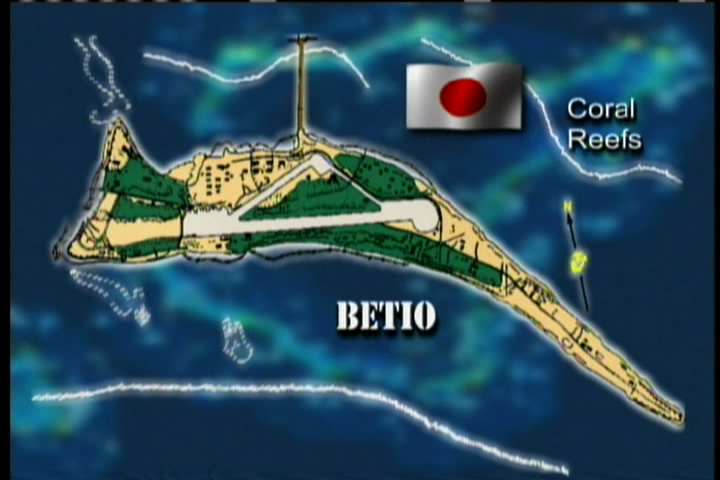
The Japanese constructed 500 bunkers on the island of Betio, part of the Tarawa atoll, and had 5000 defenders.
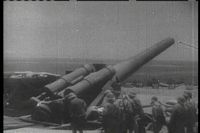 |
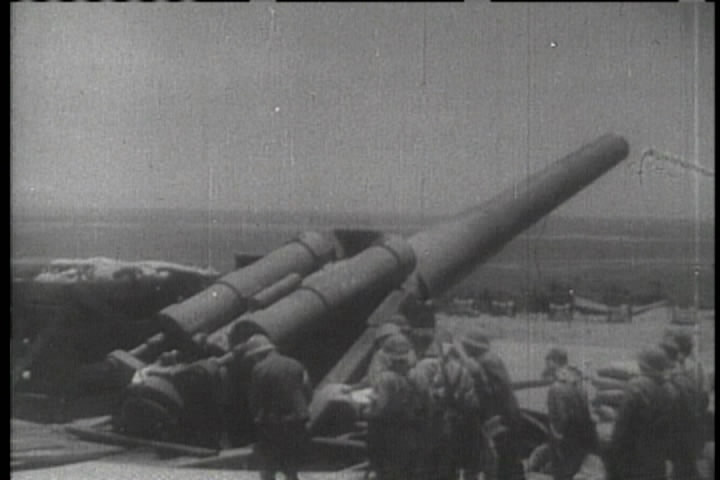
The Japanese also had a lot of heavy guns on the island.
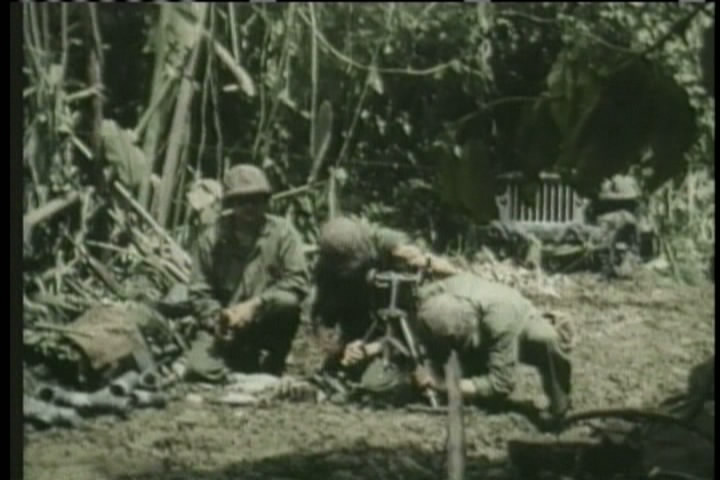
Apparently, the military considered that 3:1 odds were necessary when attacking a dug-in foe, and in this battle they did not have those odds. The barrage was not very effective since the Japanese were so well dug in.
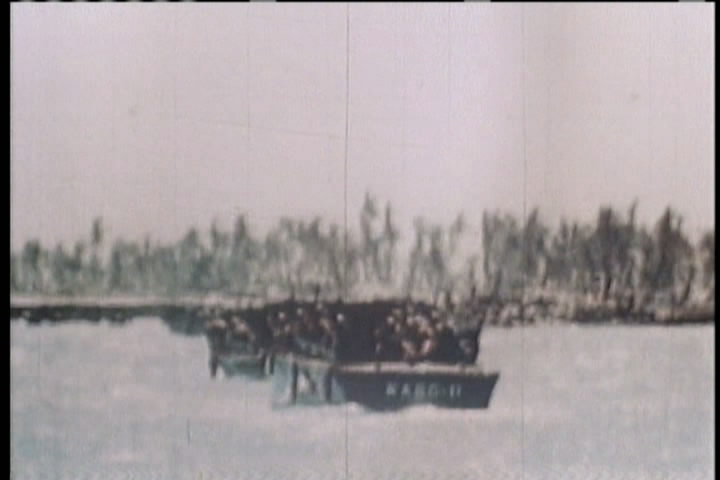
There was fairly poor planning and lack of knowledge of the area. The bombardment (sea and air) was stopped too soon. The maps they US used were extremely old. The tide was low, and some of the boats could not make it over reefs, making them have to unload fairly far from the beach.
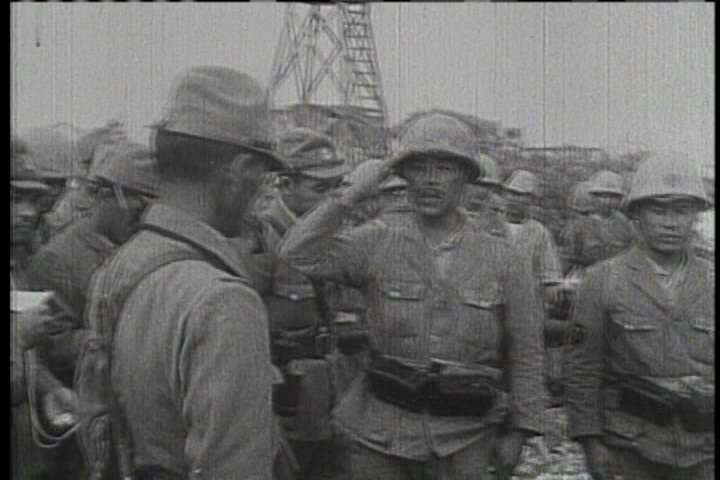
US Naval gunfire killed the leader of the Japanese forces.
It turned out that one of the attacking groups landed in a different place then planned, figuring that area was a better place to land, and it was. This allowed a group to join later and start attacking the Japanese from that point.
“Blind 'em, blast 'em, and burn 'em” was the technique for clearing Japanese pillboxes.
Although there were only a few tanks available, they managed to blow up pillboxes by firing directly into them.
On the evening of D +2 the Japanese tried a banzai charge.
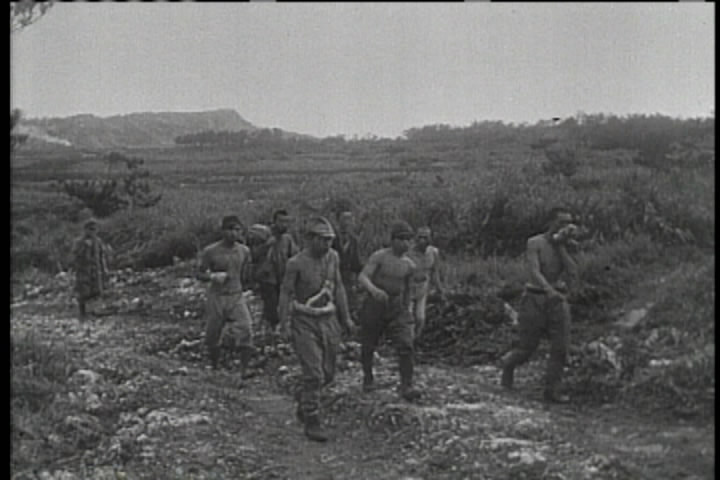
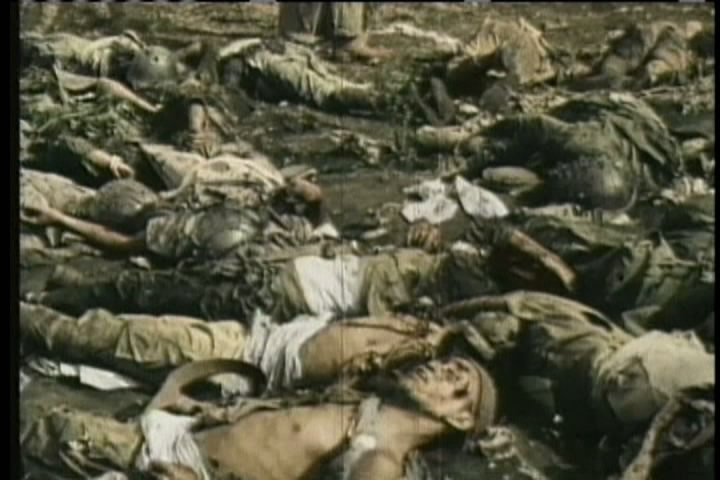
The results (and there are a number of images much more gruesome than this one in the video.) Only 17 men of the entire Japanese group of 4,600 were captured; the rest were killed. 1115 Americans were killed or MIA.
Main Index
Japan main page
Japanese-American Internment Camps index page
Japan and World War II index page
|
|