Waking a Sleeping Giant
 |
 |
FDR addresses the Congress, saying the US and Japan are now at war.
 |
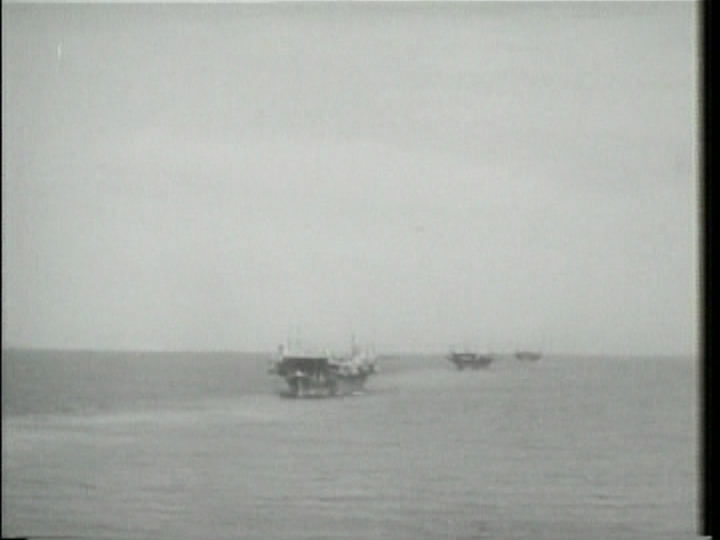
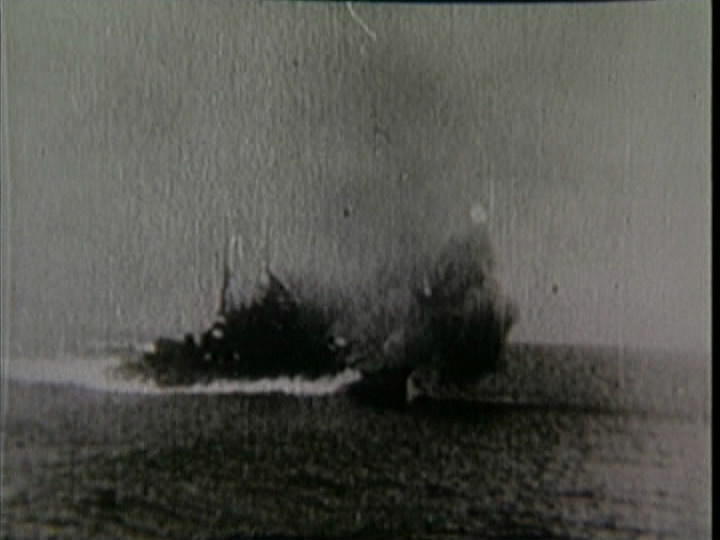
A scene from the battle, probably from a Japanese attack plane.
 |
“Japan had spent more than a half a century preparing for war with the United States.”
 |
 |
5
As the second wave of pilots returned, the leaders of the mission tried to decide what to do next.
 |
One of the leaders said he was ready to launch a third attack against Pearl Harbor.
 |
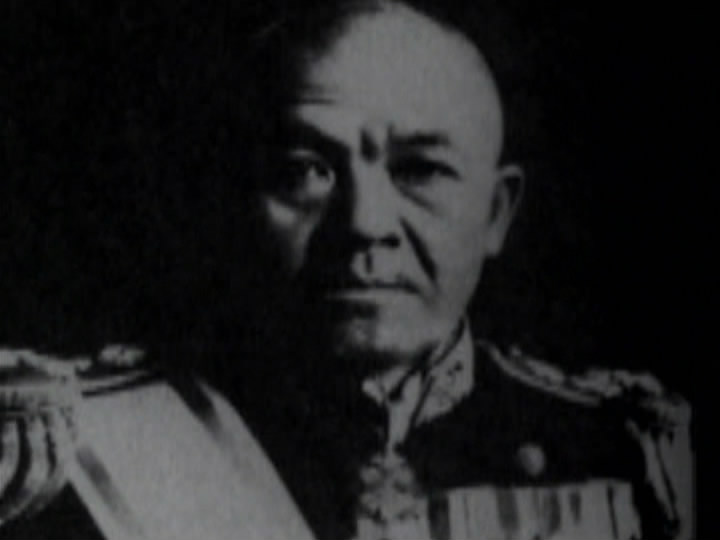
Admiral Nagumo, the main leader, decided against a third attack. He was worried about the location of the US carriers, thinking they might be near-by.
 |
The Japanese believed they had prevented the US from waging war in the Pacific for at least six months due to the attack.
 |
The Japanese land in British Malaya.
 |
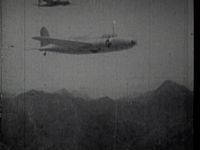
On December 8th, they attack Guam.
 |
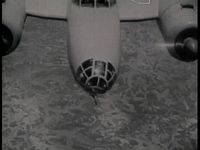
The Japanese bomb Wake Island.
 |
They bomb Singapore and a nearby air base.
 |
Hong Kong is attacked.
 |
Japanese forces take over Thailand.
 |
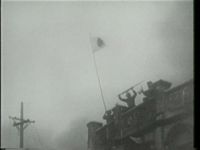
They attack the Philippines.
 |
Japanese forces take over Guam on the 10th.
 |
The Japanese attack Wake Island, but are driven off. They sink two British ships.
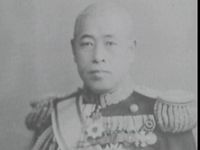 |
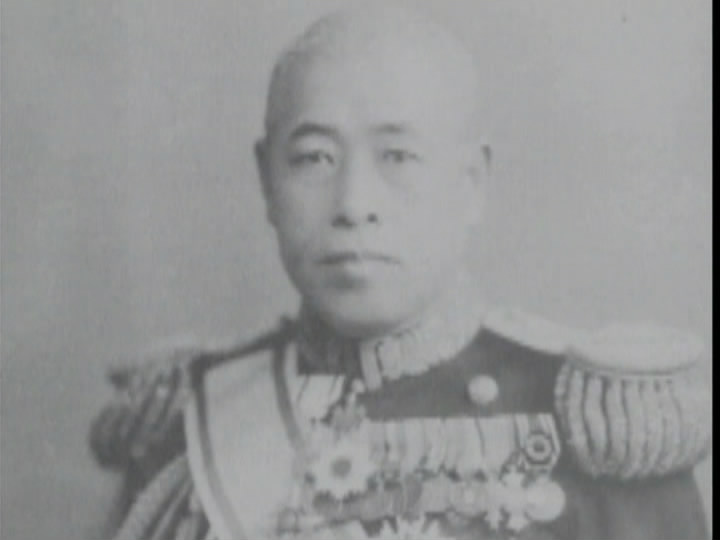
Admiral Yamamoto realizes that the strike has not put the US out of the war. He understood that the day of the battleships was past, and that the carriers would be the real threat in the future.
 |
 |
Hitler is informed of the bombing of Pearl Harbor and is overjoyed to hear the news. The Nazi generals aren't so happy, though, since they had hoped Japan would attack in Siberia and take pressure off the Nazi troops in Russia. They also had hoped the US would stay out of the war.
 |
Hitler says that FDR was backed by criminals and Jews, and that the US had provoked Japan into attacking the US.
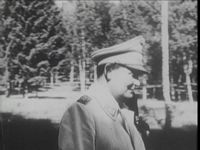 |
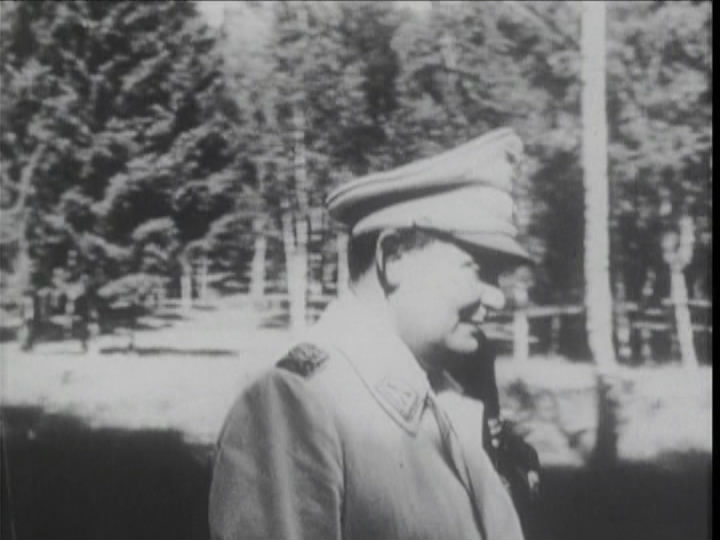
Goering doesn't like Hitler's declaring war on the US, as do many of the Nazi military leaders. He calls it suicide.
 |
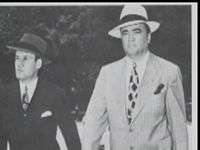 |
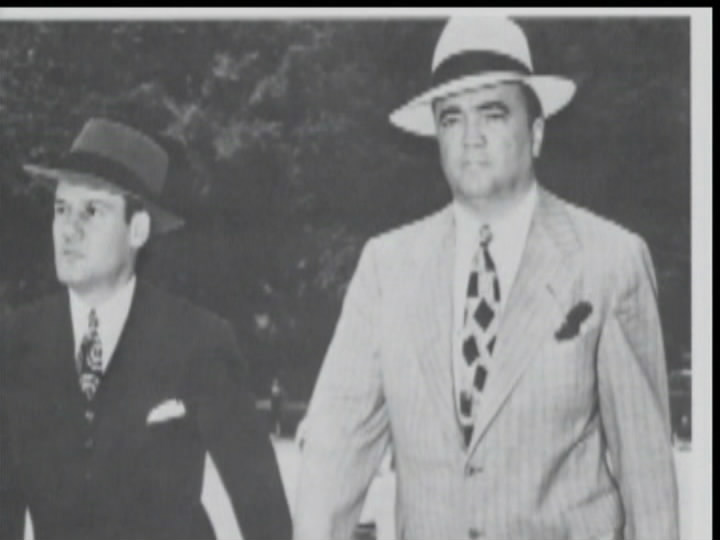
People in Washington, DC, start to hear the news of the attack on Pearl Harbor, including J. Edgar Hoover, who heard it from his men in Hawaii.
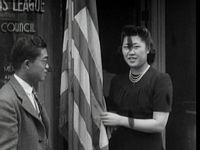 |
The I.N.S. draws up an order for the President to sign to allow the interrogation and detention of persons of Japanese ancestry in the US.
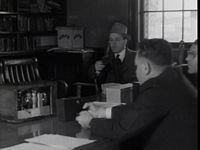 |
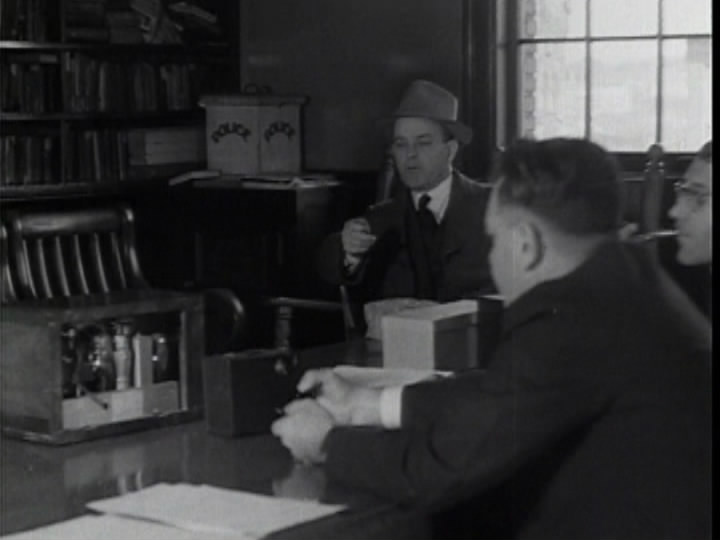
The FBI was given the power to seize anything they thought was contraband, including radios.
 |
FDR is told of the attack, and somewhat later the Secretary of War, Henry Stimson, is informed.
The movie then goes into the message from Japan that took too long to translate. Japan had essentially declared war and the message was to be given to the US before the attack on Pearl Harbor began. Because of problems translating it, it wasn't ready to present until after the attack had begun.
Radio broadcasts the news of the war at around two thirty in the afternoon. People at a particular football game don't hear it, though, since stadium management refused to broadcast the news over the loudspeakers.
Charles Lindberg finds out. He had been a pro-isolationist.
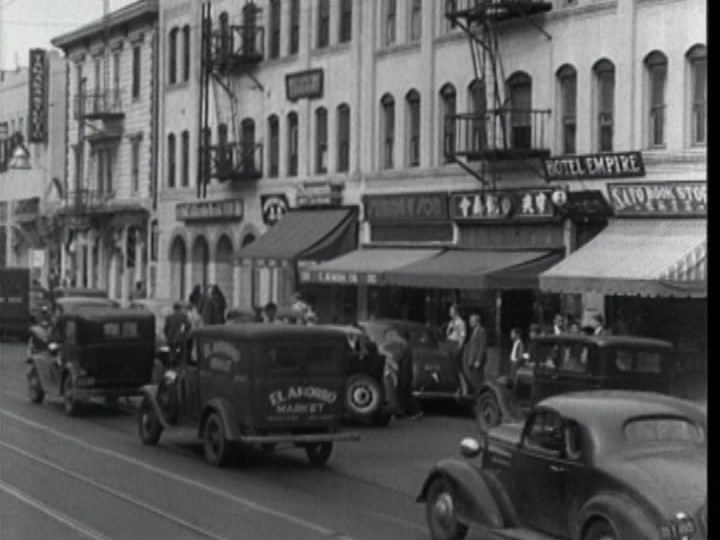
The US west coast, where the white Americans begin to regard their Issei and Nisei neighbors with suspicion. (Actually, there already was a lot of hatred for persons of Japanese ancestry on the west coast, long before Pearl Harbor was even thought of.)
The next day, FDR asks Congress to declare war on Japan.
Japan celebrates their victories. The film points out, though, that Japan had essentially already lost the war right from the beginning. They had not understood the psychology of the American people, nor the industrial capability of the US.
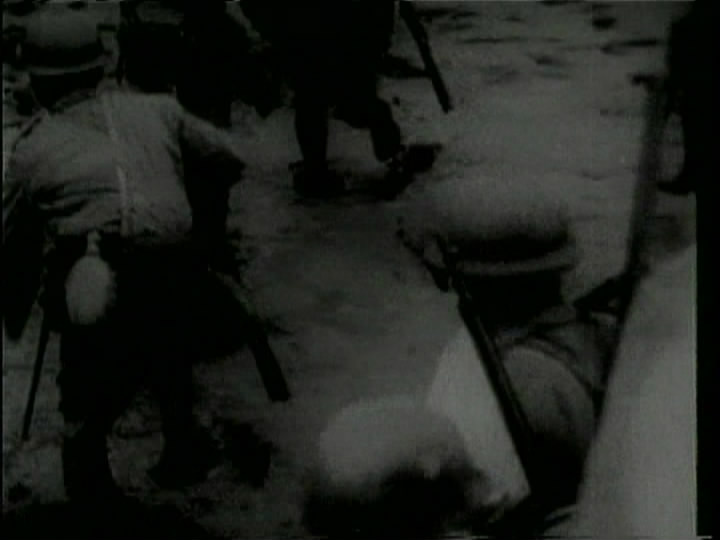
The video then goes into scenes of things that happened during the war, including the use of flamethrowers against the entrenched Japanese troops.
An example of what happens to the innocent in a war.
Main Index
Japan main page
Japanese-American Internment Camps index page
Japan and World War II index page
| |